Maman Font: Classic Calligraphy Meets Modern Design
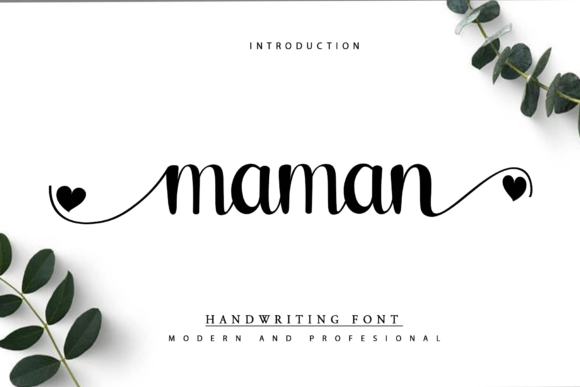
Finding a typeface that feels both timeless and fresh is a genuine challenge. Too often, script fonts lean heavily into one era or another, feeling either stuffy or overly trendy. The Maman font strikes a rare balance. It’s a handwritten font with a contemporary atmosphere, drawing its core inspiration from the impeccable forms of classic calligraphy. This isn't a font that shouts; it speaks with quiet confidence, adding a layer of elegance and sophistication to any project it touches.
What makes Maman stand out in a crowded field of premium fonts? Its character lies in the details. The letterforms have a natural, flowing rhythm, but with a precision that prevents them from looking messy or casual. You’ll notice subtle variations in stroke weight that mimic the pressure of a real pen, giving the typeface a human touch. It’s a display font at heart, perfect for headlines, logos, and short bursts of text where personality needs to shine. Yet, its clarity at larger sizes makes it surprisingly versatile for a script font.
Where Maman Truly Shines: Practical Applications
The real test of any creative font is how it performs in the wild. Maman excels in projects where brand perception and emotional connection are key. For entrepreneurs building a brand identity, it offers an instant sense of refinement. Imagine it on a boutique’s logo, a wedding planner’s website header, or the masthead of a high-end blog. It communicates taste and attention to detail without a word of copy.
In the realm of editorial design and packaging design, Maman adds a personal, artisanal quality. Use it for the title of a cookbook, the label on a small-batch spirit, or the cover of a lifestyle magazine. It pairs beautifully with clean sans serif fonts for body text, creating a dynamic and readable hierarchy. For web design, it can elevate a hero section or a call-to-action button, making a site feel more curated and intentional.
Don’t overlook its power for social media graphics and digital marketing. A quote card, a promotional banner, or an email newsletter header set in Maman can stop the scroll. It brings a tactile, crafted quality to the digital space that generic system fonts lack. For content creators and bloggers, it’s a tool for establishing a distinct visual voice that readers will come to recognize.
Integrating Maman into Your Design Workflow
Adopting a new display font like Maman requires more than just liking its looks. A thoughtful approach ensures it enhances, rather than hinders, your project. Start by evaluating the project’s tone. Is it luxurious, romantic, nostalgic, or simply elegant? Maman’s personality leans toward sophisticated and classic, so it may not be the best fit for a children’s party flyer or a grunge-inspired poster.
Next, consider readability. As with any script font, context is everything. Maman is designed for impact in headlines and short phrases. Avoid setting long paragraphs of body copy in it, as the intricate letterforms can cause eye strain. Always test it at the intended size and on the intended medium—what looks stunning on a large printed poster might lose clarity on a small mobile screen.
Font pairing is where the magic happens. Maman creates a striking contrast when paired with a geometric sans serif font like Montserrat or a classic serif font like Garamond. The key is balance. Let Maman be the star for the main headline or logo, and use the complementary font for supporting text. Check the font package for any included styles—like alternate characters or ligatures—that can add extra flair to your designs.
Finally, understand the licensing. If you’re using Maman for a client’s logo, a product you’ll sell, or a website for your business, you need a commercial font license. This is a standard part of using professional design assets. It ensures you have the legal right to use the font in your commercial projects, which is non-negotiable for professional work. Taking the time to choose, test, and properly license a font like Maman is what separates polished, professional design from amateur work. It’s an investment in the quality and perception of your brand.