Cowboy Summer: A Handwritten Font for Playful Branding
There’s a certain energy that arrives with summer—the days stretch longer, colors seem brighter, and everything feels a bit more relaxed and joyful. Capturing that feeling in a design project is no small feat, but typography is one of the most powerful tools at your disposal. The right typeface can instantly set a mood, tell a story, and connect with an audience on an emotional level. This is where a characterful font like Cowboy Summer enters the scene. It’s more than just a collection of letters; it’s a vibe. As a designer who constantly seeks fonts with personality, I find that typefaces like this one are secret weapons for creating work that feels authentic, approachable, and memorable.
Understanding the Personality of This Creative Font
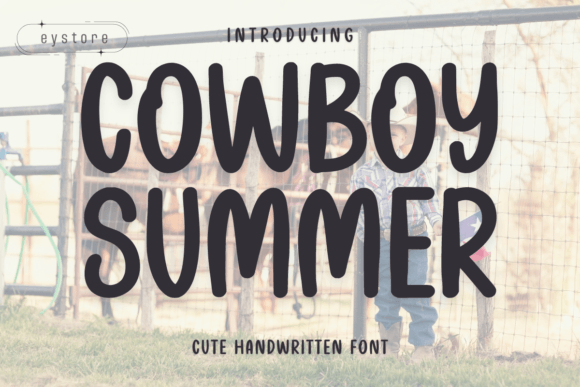
At its core, Cowboy Summer is a handwritten font that feels genuinely crafted by a human hand. It’s not a stiff, perfect script; instead, it has a casual, flowing rhythm that mimics natural writing. The characters are legible yet infused with a sense of fun—think slightly uneven baselines, playful loops, and a touch of whimsy in its connections. This isn’t a font for formal reports or corporate websites. Its personality is decidedly cute, friendly, and optimistic. It evokes images of handwritten notes on summer postcards, chalkboard menus at a beachside cafe, or the playful lettering on a children’s book cover. The overall appeal lies in its ability to inject warmth and approachability into any project it touches.
Where Does Cowboy Summer Shine? Practical Applications
The true value of any premium font is measured by its versatility and real-world application. Cowboy Summer excels in scenarios where you want to add a personal, human touch without sacrificing readability. It’s a fantastic display font, meaning it’s built to catch the eye at larger sizes. This makes it a natural fit for headlines, posters, and banners where you need to make an immediate, friendly impression.
- Branding & Identity: For small businesses, especially in the lifestyle, artisan, or food space, this font can become a cornerstone of a brand identity. Imagine it on the logo for a boutique bakery, a handmade soap company, or a summer camp. It communicates care, creativity, and a hands-on ethos.
- Packaging & Merchandise: Packaging design thrives on shelf appeal. Using Cowboy Summer for product labels, especially on items like jams, candles, or craft kits, can make the product feel artisanal and special. It’s equally effective on t-shirt typography, tote bags, and mugs, where a catchy, readable phrase is key.
- Editorial & Digital Content: Bloggers and content creators can use it for pull quotes, chapter titles in digital magazines, or as a standout font for social media graphics. Its friendly nature makes it perfect for Instagram stories, Pinterest pins, or YouTube thumbnails where personality drives engagement.
- Event & Personal Projects: Think wedding invitations for a rustic outdoor ceremony, birthday party decorations, or custom greeting cards. The font adds a layer of heartfelt charm that generic sans serif fonts simply can’t match.
Making the Font Work for You: Practical Guidance
Adopting a new font is like adding a new team member—you need to ensure it’s the right fit and knows how to work with others. Here’s how to integrate Cowboy Summer effectively into your workflow.
Evaluating Project Fit and Readability
First, ask yourself: does the project’s tone align with the font’s personality? Cowboy Summer is perfect for playful, casual, or creative contexts. It would be out of place in a legal document or a high-tech corporate report, but it’s ideal for a children’s museum brochure or a farm-to-table restaurant menu. A critical consideration is readability. Because it’s a script font, it’s best used for short bursts of text—headlines, subheadings, logos, or call-to-action buttons. Avoid setting long paragraphs of body copy in it, as the eye tires quickly from reading connected scripts. Pair it wisely.
Mastering Font Pairing for Visual Hierarchy
A skilled designer rarely uses a single font in isolation. The magic happens in the font pairing. Cowboy Summer needs a stable partner to create a balanced visual hierarchy. The most effective strategy is to contrast its handwritten flair with a clean, simple companion. Pair it with a neutral sans serif font like Montserrat or Open Sans for body text to ensure clarity. Alternatively, for a more classic, editorial feel, try pairing it with a sturdy serif font like Merriweather or Lora. The contrast allows Cowboy Summer to handle the expressive, attention-grabbing headlines while the partner font manages the readable body content. This pairing technique is fundamental in modern typography and is essential for professional web design and print layouts.
Reviewing Styles and Licensing
Before you commit, investigate what’s included. Does the font family come with multiple weights or styles? While Cowboy Summer may primarily be a single style, check for alternates, swashes, or additional glyphs that can add variety to your designs. More importantly, understand the licensing. If you’re using it for a client project, merchandise for sale, or a commercial website, you need a commercial font license. Always purchase and use fonts according to their license agreements to avoid legal issues and to support the designers who create these valuable design assets.
The Strategic Value of a Handwritten Typeface
Choosing a font like Cowboy Summer is a strategic decision that influences how your brand is perceived. In a digital landscape saturated with sterile, algorithm-generated content, a human touch stands out. This font can enhance brand perception by making a company seem more approachable, trustworthy, and creative. It fosters audience engagement because it feels personal, like a note from a friend rather than a corporate broadcast.
Consistency is key in branding. Once you choose Cowboy Summer for your logo or primary headlines, use it consistently across all touchpoints—your website, social media, packaging, and print materials. This builds recognition. When a customer sees that distinctive, friendly lettering, they’ll immediately associate it with your brand’s unique personality. It’s a tool for building a cohesive and recognizable brand identity that resonates emotionally.
In the end, typography is storytelling. The fonts you select are the voice of your design. Cowboy Summer offers a voice that is cheerful, authentic, and endlessly versatile for the right project. It’s a reminder that the best design isn’t always about being the most formal or the most complex; sometimes, it’s about capturing a feeling—a sense of summer, of warmth, and of human connection. For designers, marketers, and creators looking to add that spark to their work, it’s a creative font worth exploring.